In an era where simplicity meets elegance, the allure of small yet striking decorative items has never been more prominent. Among these, handcrafted ceramics stand out as an exquisite choice for those seeking to blend artistry with minimalism. These petite ceramic pieces, often created by master ceramists, infuse spaces with subtle sophistication and charm without overwhelming the overall design. This article explores the appeal and versatility of Minimal Tiny Ceramic Decor, uncovering how these delicate objects can transform your living or work environment into a haven of understated beauty.
Understanding the importance of thoughtfully curated decor is essential in creating interiors that speak of personality and style. Minimalist aesthetics emphasize clean lines, open spaces, and a focus on essential elements, which makes tiny ceramic accents an ideal complement. These pieces serve as focal points or supporting details that enrich the ambiance through texture, form, and color. Readers will gain insight into the variety of styles and functions of these ceramics, appreciate the craftsmanship behind them, and learn practical tips on integrating them into different design themes.
Whether you are a seasoned interior designer, a ceramic art enthusiast, or someone looking to refresh your home’s look, this comprehensive guide provides valuable perspectives on selecting, arranging, and caring for small ceramic decor. The harmonization of simplicity and artistry found in these tiny treasures invites a mindful approach to decoration, offering both aesthetic pleasure and a connection to artisanal heritage.
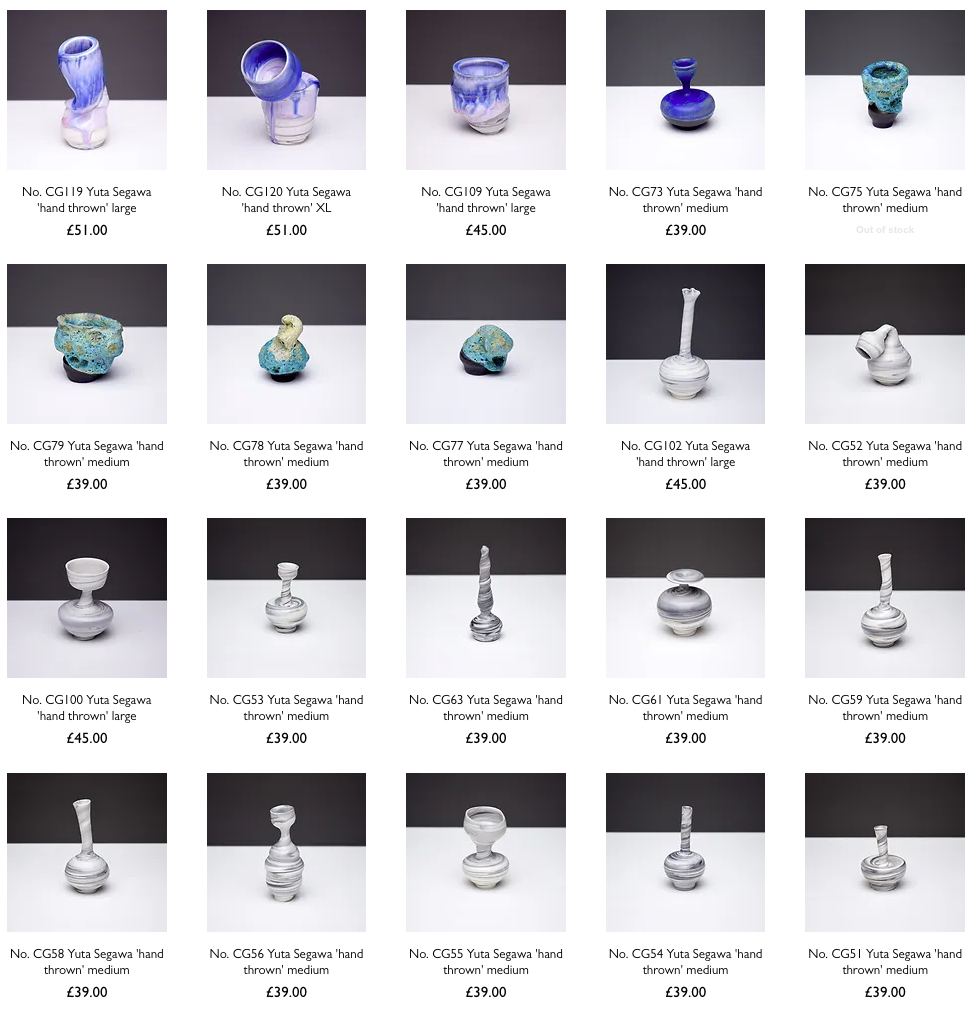
The Artistry Behind Petite Handmade Ceramics
The beauty of small ceramic decor lies not only in its appearance but also in the meticulous craftsmanship that brings each piece to life. Skilled ceramists employ traditional techniques combined with contemporary design sensibilities to create objects that are both functional and visually captivating. Their expertise ensures that each miniature ceramic item carries a unique character, reflecting the artist’s vision and mastery over the medium.
Handmade ceramics often involve processes such as wheel throwing, hand building, and glazing, which contribute to the texture and finish of the final product. Unlike mass-produced items, these pieces exhibit subtle variations in shape, color, and surface patterns, making every item a one-of-a-kind artifact. The tactile nature of ceramics invites touch and interaction, further enhancing the sensory experience within the space.
Incorporating such artistry into your home or office decor brings a layer of authenticity and warmth that cannot be replicated by synthetic decor. Moreover, supporting artisans helps preserve traditional crafts and encourages sustainable practices in the design industry.
Key Characteristics of Artisanal Tiny Ceramic Pieces
- Unique, handmade quality with slight imperfections that add charm
- Natural materials and eco-friendly production methods
- Varied textures and glazes providing visual and tactile interest
- Compact size suited for versatile placement
- Durability combined with delicate appearance
Integrating Small-Scale Ceramic Accents into Modern Interiors
Designing with miniature ceramics requires thoughtful consideration to balance their delicate presence against larger elements in the room. The appeal of these small-scale objects lies in their ability to punctuate a space with subtle details that draw the eye and invite closer inspection. Utilizing them effectively can enhance the overall harmony and elevate the aesthetic without clutter.
One popular approach is to use these pieces as accent decor on shelves, desks, and windowsills where they can serve as conversation starters or focal points. In minimalist environments, they provide a touch of warmth and personality while maintaining the clean, uncluttered look. Additionally, these ceramics can complement other natural materials like wood, linen, and stone, creating a cohesive, organic feel.
Color palettes for such decor often adhere to neutral or muted tones, though occasional pops of color can add vibrancy and interest. The versatility of these items allows them to fit seamlessly into various interior styles ranging from Scandinavian and Japanese wabi-sabi to contemporary and bohemian themes.
Tips for Displaying Petite Ceramic Pieces
- Group several small ceramics together for a curated vignette effect
- Pair with plants or books to create layered textures
- Use minimalist trays or stands to highlight individual pieces
- Place near natural light sources to enhance glaze and colors
- Rotate pieces seasonally to refresh the mood of the room
Choosing and Caring for Your Delicate Ceramic Decor
Selecting the right miniature ceramic items involves understanding both your personal style and the functional context of the space. Consider the scale, color, and finish that will best complement your existing decor while reflecting your taste. It’s also important to think about the purpose of the piece—whether purely decorative or functional, such as a tiny vase or incense holder.
Proper maintenance ensures longevity and preserves the aesthetic appeal of these fragile treasures. Cleaning should be gentle, avoiding harsh chemicals or abrasive materials that might damage the glaze or surface. Dusting regularly with a soft cloth or brush helps maintain their pristine condition. When handling, it’s advisable to use both hands and place items on stable surfaces to prevent accidental breakage.
Checklist for Selecting and Maintaining Small Ceramic Decor
- Assess the compatibility of colors and styles with your space
- Choose pieces that resonate emotionally or artistically
- Verify the stability and sturdiness of the base
- Keep cleaning supplies gentle and appropriate for ceramics
- Store carefully when not in use, preferably in padded boxes
Frequently Asked Questions About Small Handmade Ceramic Decor
What makes tiny ceramic decor suitable for minimalist interiors?
These small handcrafted pieces offer subtle elegance without overwhelming a space. Their simplicity and natural textures complement minimalist aesthetics by adding warmth and interest through refined details.
How can I incorporate miniature ceramics into a clutter-free design?
By selecting a few meaningful pieces and placing them strategically, you can create focal points that enhance the environment without adding visual noise. Grouping items thoughtfully and rotating them seasonally helps maintain a fresh look.
Are small ceramic items durable despite their delicate appearance?
While they appear fragile, well-crafted ceramics are quite durable with proper handling. They withstand everyday use as decor but should be protected from drops, extreme temperature changes, and rough handling.
Can tiny ceramic decor be functional as well as decorative?
Absolutely. Many small ceramics serve dual purposes, such as miniature vases, candle holders, or incense burners, blending utility with aesthetic charm.
How do I ensure the authenticity of handmade ceramics?
Purchasing from reputable artists or galleries that provide information about the maker and production methods helps guarantee authenticity. Handmade pieces typically display unique variations and come with stories about their creation.
Conclusion: The Enduring Appeal of Petite Ceramic Artifacts
Embracing small-scale ceramic decorations allows you to celebrate craftsmanship and refined aesthetics in your living or work spaces. These delicate, thoughtfully designed pieces elevate interiors by adding texture, warmth, and a sense of artistry that resonates with minimalism’s core principles. By carefully selecting, displaying, and caring for these tiny treasures, you invite a lasting connection to handmade beauty and cultural heritage. Whether used as subtle accents or functional art, miniature ceramics offer timeless elegance that enhances modern living with quiet sophistication.
Yuta Segawa is a Japanese ceramic artist known for his tiny ceramics and miniature pottery. He lives and works in London, United Kingdom. His work is distinctive for creating large collections of extremely small ceramic vessels, all made by hand with exceptional precision and craftsmanship.
He became widely recognised for producing hundreds or even thousands of mini pots, which are often displayed together as a single art installation. This presentation gives his work a clean, minimalist feeling while combining traditional Japanese aesthetics with a contemporary British influence.
Segawa mainly uses traditional hand-building and wheel-throwing techniques, combined with modern artistic concepts. Because of this unique approach, his work is appreciated by collectors, galleries, and people who enjoy minimal, handmade, and ceramic home decor.