In the vast realm of artistic expression, ceramics hold a unique place as a medium that combines craftsmanship, creativity, and cultural heritage. Among the diverse forms of ceramics, tiny ceramic pieces have garnered significant attention for their delicate charm and intricate detail. These miniature creations, ranging from small decorative tiles to tiny ceramic animals, showcase the artist’s skill in working on a reduced scale without compromising beauty or meaning. The significance of these petite works extends beyond mere aesthetics; they often embody symbolic meanings and reflect various stylistic traditions that appeal to collectors, crafters, and art enthusiasts alike. In this article, readers will embark on a journey to understand the essence of these miniature ceramic forms, exploring their historical background, material composition, stylistic variations, and practical applications in both traditional and contemporary contexts.
Understanding the tiny ceramic meaning and style involves delving into the origins of ceramic art, which dates back to ancient civilizations where clay objects were not only utilitarian but also served spiritual and decorative purposes. Today, the focus on small-scale ceramics reveals an evolution in artistic intent, emphasizing precision, innovation, and the ability to evoke emotion through miniature forms. Whether used in intricate mosaic designs or as standalone sculptures, these small ceramics are valued for their versatility and capacity to transform spaces with subtle elegance.
Moreover, the contemporary crafting community has embraced miniature ceramic tiles and objects for their adaptability in various projects, from home décor to personalized gifts. These pieces often require specialized techniques and tools, highlighting the technical mastery involved in their creation. As this article progresses, readers will gain insights into the different types of tiny ceramic items, the materials and methods used, and how these elements influence their style and perceived meaning. By the end, enthusiasts will be equipped with a comprehensive understanding of how miniaturization in ceramics enhances artistic expression and cultural storytelling.
The Historical and Cultural Significance of Miniature Ceramics
The history of ceramics is rich and diverse, with tiny ceramic pieces playing a pivotal role in many cultures. Miniature ceramics have often been used as talismans, ritual objects, or decorative elements, each carrying unique cultural symbolism. For example, in ancient China and Japan, small ceramic animals and figurines were believed to bring good fortune and protection. Similarly, tiny ceramic tiles have been integral in architectural designs, especially in Islamic art where geometric tile patterns symbolize infinity and unity.
Small ceramics are also notable for their role in storytelling and heritage preservation. Artisans pass down techniques through generations, ensuring that the traditional styles and meanings remain intact. These miniature works often serve as a bridge between past and present, allowing contemporary audiences to connect with historical narratives through tangible objects.
Understanding these cultural dimensions enriches appreciation for tiny ceramic art, revealing that their value transcends physical size. Their symbolic meanings, often embedded in patterns or forms, contribute to a deeper connection between the artwork and its viewer.
Key Cultural Roles of Miniature Ceramic Pieces
- Spiritual and protective talismans
- Decorative elements in traditional architecture
- Storytelling devices preserving cultural myths and histories
- Symbols of craftsmanship and artistic heritage
Recognizing the cultural significance behind these small creations helps collectors and crafters appreciate not just the aesthetic appeal but also the profound narratives they carry.
Materials and Techniques: Crafting Small-Scale Ceramic Art
The composition and craftsmanship of mini ceramics are crucial to their final appearance and longevity. Ceramic material is primarily defined as a non-metallic, inorganic substance that is hardened by heat. In the context of tiny ceramics, artists often employ fine clay bodies that allow for greater detail and precision.
Common materials include porcelain, earthenware, and stoneware, each offering distinct textures and firing temperatures. Porcelain, for instance, is prized for its smooth surface and translucency, making it ideal for delicate miniature tiles and figures. The firing process, glazing techniques, and hand-painting further contribute to the style and durability of these pieces.
Techniques such as slip casting, hand-building, and wheel throwing are adapted for small-scale work, often requiring specialized tools and magnification. Artists must balance fragility with structural integrity, ensuring that tiny ceramic objects withstand handling and environmental conditions.
Essential Crafting Techniques for Mini Ceramics
- Slip Casting: Pouring liquid clay into molds for consistent shapes
- Hand-Building: Sculpting by hand for unique, detailed forms
- Glazing: Applying glassy coatings for color and protection
- Firing: Controlled heating to solidify and strengthen the ceramic
Mastery of these methods allows artisans to explore a variety of styles, from rustic and earthy to sleek and modern, each reflecting the artist’s vision and the piece’s intended meaning.
Stylistic Variations and Contemporary Trends in Miniature Ceramics
While traditional styles continue to inspire, the world of tiny ceramics has seen a surge in innovative trends that blend old techniques with modern aesthetics. Artists experiment with form, color, and function, creating pieces that range from abstract shapes to lifelike animal figurines. The use of miniature ceramic tiles, for example, has expanded beyond classical motifs into vibrant mosaics that serve as compelling decorative accents.
Contemporary artisans also explore thematic collections, where small ceramic animals or objects embody narratives or social commentary. These collections often emphasize sustainability by using eco-friendly materials and reducing waste through precise crafting. Additionally, the rise of digital tools and 3D printing has influenced the design process, enabling new possibilities in miniature ceramic artistry.
Popular Styles and Design Elements
- Minimalist: Clean lines and subtle textures
- Whimsical: Playful forms often inspired by nature or fantasy
- Rustic: Earth tones and organic shapes reflecting natural materials
- Geometric: Repetitive patterns and shapes, often used in tile work
The diversity of styles ensures that miniature ceramic art remains accessible and appealing to a wide audience, from traditional collectors to contemporary designers.
Applications and Practical Uses of Small Ceramic Items
Beyond their artistic value, tiny ceramic pieces serve functional roles in various settings. Small ceramic tiles are widely used in craft projects, jewelry making, and interior design, offering versatility and durability. Miniature ceramic animals and figurines often become collectibles or personalized gifts, cherished for their intricate detail and emotional significance.
Moreover, these small ceramics can be integrated into larger installations or mosaics, providing texture and visual interest. In architecture and home décor, tiny tiles are favored for backsplashes, tabletops, and decorative accents, combining practicality with aesthetic enhancement.
Craft enthusiasts appreciate miniature ceramics for their adaptability in DIY projects, ranging from custom coasters to intricate wall art. Their manageable size allows for experimentation without requiring extensive space or materials, making them popular among hobbyists and professional artists alike.
Checklist for Using Mini Ceramic Pieces in Projects
- Determine the desired aesthetic and style
- Select appropriate materials and finishes
- Consider the size and scale relative to the project
- Ensure proper adhesion and installation methods
- Plan for maintenance and durability requirements
By considering these factors, users can effectively incorporate miniature ceramics into their creative endeavors, enhancing both function and visual appeal.
Frequently Asked Questions About Tiny Ceramic Art
What defines the material characteristics of miniature ceramics?
Mini ceramics are crafted from various clays like porcelain, stoneware, or earthenware, chosen for their fine texture and firing properties, allowing detailed and durable small-scale creations.
How do artists maintain detail when working with tiny ceramic pieces?
Artists use specialized tools, magnification, and precise techniques such as slip casting and hand-building to ensure intricate detailing without compromising structural stability.
Are miniature ceramic tiles suitable for outdoor use?
Some miniature tiles made from durable stoneware or porcelain and properly glazed can withstand outdoor conditions, but it is essential to verify the material specifications for weather resistance.
What cultural meanings are associated with tiny ceramic animals?
These figurines often symbolize traits like protection, luck, or spiritual significance, varying by culture and tradition, reflecting deeper narrative layers beyond their decorative role.
Can small ceramic pieces be customized for personal projects?
Yes, many artists offer custom designs or allow buyers to commission personalized miniature ceramics, making them ideal for gifts or bespoke decorative elements.
Conclusion: Appreciating the Beauty and Significance of Miniature Ceramic Creations
The exploration of Tiny Ceramic Meaning and Style reveals a fascinating intersection of culture, craftsmanship, and creativity. These small-scale artworks are much more than decorative objects; they embody centuries of tradition, technical mastery, and artistic innovation. From their historical roots to contemporary adaptations, miniature ceramics continue to captivate with their ability to convey meaning and style within a compact form.
Whether admired as collectible figurines, used in intricate tile mosaics, or crafted as personalized art pieces, these tiny ceramics enrich our environments and connect us to a broader cultural narrative. Understanding their material foundations, cultural significance, and stylistic diversity empowers enthusiasts and creators to appreciate and engage with this unique art form on a deeper level.
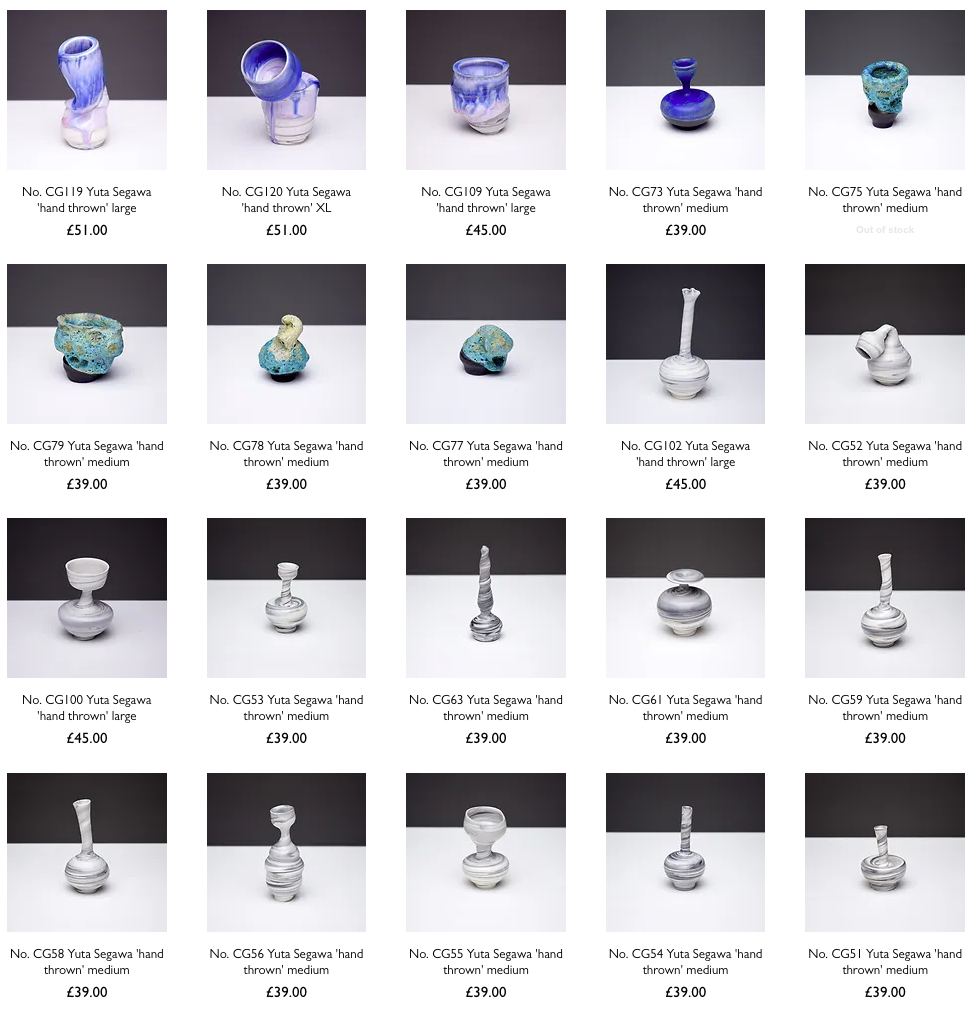
Yuta Segawa is a Japanese ceramic artist known for his tiny ceramics and miniature pottery. He lives and works in London, United Kingdom. His work is distinctive for creating large collections of extremely small ceramic vessels, all made by hand with exceptional precision and craftsmanship.
He became widely recognised for producing hundreds or even thousands of mini pots, which are often displayed together as a single art installation. This presentation gives his work a clean, minimalist feeling while combining traditional Japanese aesthetics with a contemporary British influence.
Segawa mainly uses traditional hand-building and wheel-throwing techniques, combined with modern artistic concepts. Because of this unique approach, his work is appreciated by collectors, galleries, and people who enjoy minimal, handmade, and ceramic home decor.