In the world of interior design, the integration of delicate artistry often defines the ambiance and emotional essence of a space. Tiny Japanese ceramic pieces have emerged as quintessential elements that do more than just decorate; they tell stories of heritage, craftsmanship, and philosophical balance. These miniature treasures carry the refined aesthetics deeply rooted in Japan’s cultural history, embodying a harmony between nature, simplicity, and functionality. This article unveils the significance of tiny handmade ceramics from Japan, explaining how they seamlessly fit into contemporary interiors, especially those inspired by minimalism and slow living movements.
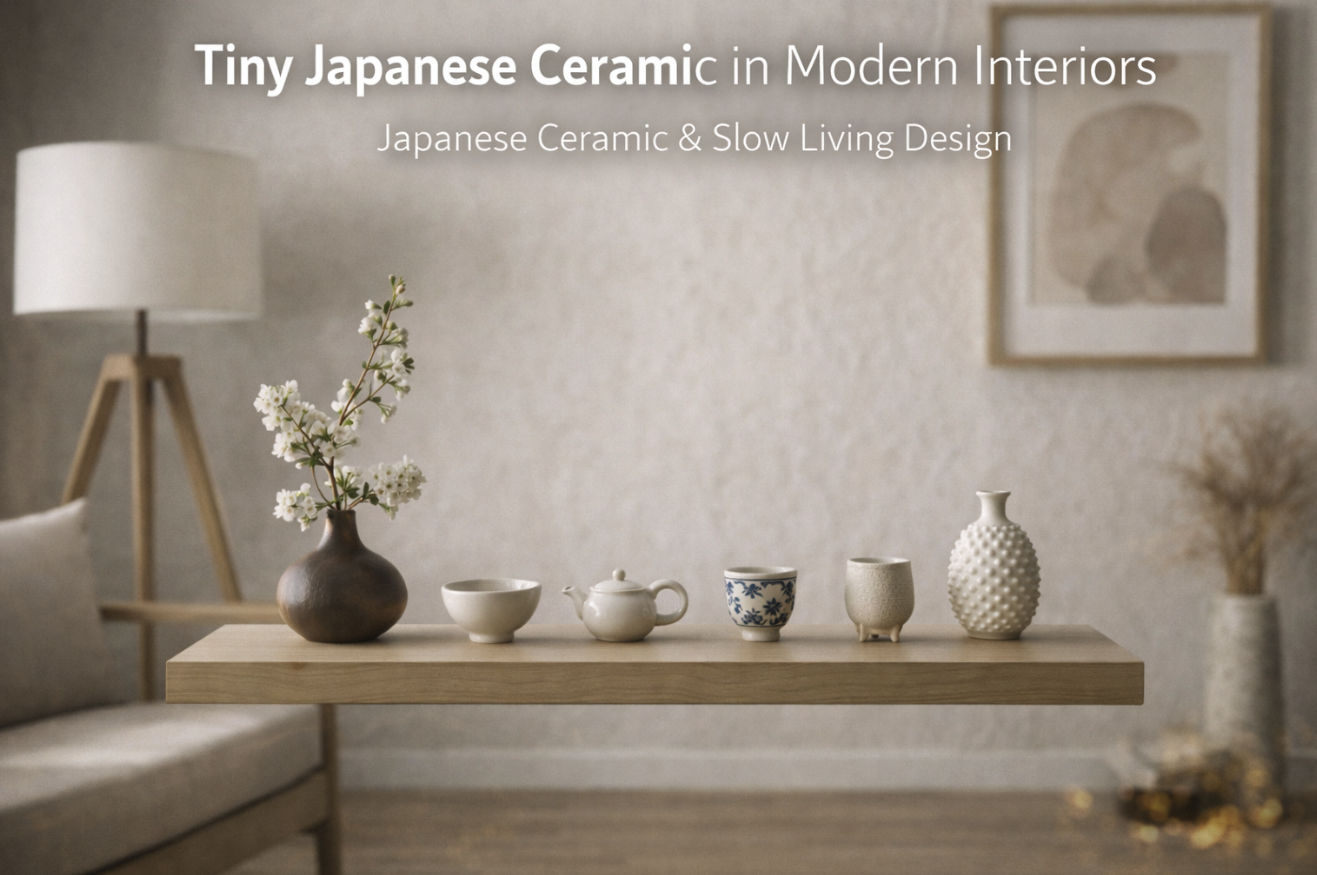
Originating from a tradition that dates back centuries, Japanese ceramic art is celebrated for its meticulous craftsmanship and subtle beauty. The small scale of these ceramic items doesn’t diminish their impact; instead, it magnifies the intricate detail and thoughtful design that go into each piece. In modern interiors, these tiny ceramics serve as visual focal points or quiet accents that elevate spaces without overwhelming them. Their presence encourages mindfulness, inviting occupants to appreciate subtle textures, muted tones, and imperfect yet purposeful shapes.
The philosophy behind these ceramics aligns perfectly with the minimalist Japanese interior design approach, where ‘less is more’ and every item holds intention and meaning. This approach strips away excess to reveal objects that function both practically and aesthetically. When incorporated into slow living interior styles, these ceramics contribute to an environment that celebrates simplicity, tranquility, and the art of living in the moment. With busy lifestyles becoming the norm, integrating elements such as tiny ceramic artifacts helps create calming refuges, fostering reflection and appreciation for natural beauty and timeless design traditions.
Readers exploring this article will gain insights into how tiny Japanese ceramic pieces can transform living spaces, blending the ancient with the contemporary. Furthermore, they will learn practical tips for selecting, displaying, and caring for these delicate objects within their homes. Through a detailed examination of material, glaze techniques, and cultural symbolism, the article aims to inspire a deeper understanding of why these small artistic expressions remain relevant and beloved in modern design philosophies.
The Artistry Behind Tiny Japanese Ceramic Pieces
At the heart of every tiny Japanese ceramic object is a story of artistic mastery and cultural heritage. These ceramics often originate from renowned pottery regions such as Mashiko, Seto, and Shigaraki, where artisans have passed down centuries-old techniques. The beauty of these small artifacts lies in their handcrafted nature, which allows subtle imperfections—known as ‘wabi-sabi’—to shine through, reflecting the beauty of impermanence and authenticity.
Materials range from porcelain to stoneware, each providing unique textures and strengths. Glazing techniques vary widely and can include earthy mattes, translucent finishes, or crackled surfaces that tell their own tale. The miniature size challenges the potter’s precision, making every curve and detail a testament to skill. Tiny sculptures, tea cups, bowls, and decorative beads are common forms that showcase how much artistic depth can be concentrated in a small scale.
Appreciating these pieces requires understanding the balance of form, texture, and function. The subtle color palette often draws inspiration from nature, featuring soft greens, muted browns, gentle blues, and pristine whites. Together, these elements create objects that are visually soothing and rich in tactile appeal.
- Handcrafted authenticity emphasizing traditional techniques
- Use of natural materials reflecting regional qualities
- Glazing styles that embody wabi-sabi philosophy
- Functional yet highly decorative objects in miniature scale
- Connection to natural and seasonal motifs
Incorporating Japanese Ceramic Interior Design into Modern Spaces
Designers and homeowners increasingly turn to tiny Japanese ceramics to create interiors that marry tradition with modern aesthetics. These small objects lend a layer of subtle sophistication and cultural depth without dominating a room’s overall layout. The understated charm fits naturally into spaces designed with a focus on clean lines, open layouts, and a restrained palette.
Key strategies for integrating these ceramics include placing them as thoughtful accents on shelves, windowsills, or coffee tables. Groupings of miniature bowls or vases can enliven empty corners, while single statement pieces can draw the eye and prompt quiet admiration. The interplay of scale is crucial—tiny ceramics contrast beautifully against larger furniture to add interest and texture.
Materials around the home, such as natural woods, linen textiles, and stone, complement the ceramics’ earthy tones and organic forms. This synergy establishes a harmonious environment centered on balance and understated elegance.
- Use of ceramics as focal accents in minimalistic settings
- Pairing with natural textures like wood, stone, and woven fabrics
- Creating visual interest through texture and subtle color contrasts
- Arranging pieces thoughtfully to maintain spatial harmony
- Blending traditional craftsmanship with contemporary interior design principles
The Influence of Minimalist Japanese Ceramic Style
The minimalist approach in Japanese ceramic art reflects an aesthetic of simplicity and restraint. This style intentionally avoids extravagant decorations or vivid colors, focusing instead on purity of form and material quality. This minimalism resonates with interior designers looking for tranquil and distraction-free environments.
The appeal lies in the power of understated beauty: smooth contours, gentle asymmetry, and soft matte finishes that invite touch and attention. Minimalist ceramics often serve more as a tactile experience or a meditation aid rather than just ornamental objects. In a home, these pieces can create breathing space within a room’s composition, helping inhabitants feel centered and calm.
Applying this philosophy extends beyond the ceramics themselves to the entire interior design process. Spaces influenced by minimalist Japanese ceramics usually emphasize:
- Neutral palettes with occasional muted colors inspired by nature
- Clutter-free zones that promote mental clarity
- Focus on quality over quantity in décor selections
- Intentional lighting to highlight textures and materials
- Use of handmade or artisanal pieces for authenticity
Slow Living and Its Connection to Japanese Ceramic Aesthetics
Slow living is more than a design trend—it’s a lifestyle philosophy that encourages mindfulness, sustainability, and appreciating the present moment. Tiny Japanese ceramic items embody this ethos in several meaningful ways. Their handcrafted nature demands time, patience, and respect from the maker, while their presence in a home invites residents to slow down and savor simple beauty.
Incorporating these ceramics supports deliberate consumption—a rejection of mass-produced goods in favor of unique, crafted objects with soul. The tactility and visual calmness of the ceramics also help in creating spaces conducive to reflection, rest, and connection with the natural world.
Benefits of integrating slow living interiors enhanced by traditional ceramics include:
- Reduction of sensory overload through minimal decorations
- Creation of calm environments fostering mental well-being
- Encouragement of appreciation for craftsmanship and tradition
- Promotion of sustainable and intentional lifestyle choices
- Connection to nature through organic materials and forms
Practical Tips for Selecting and Displaying Tiny Japanese Ceramic Pieces
Choosing the right ceramic objects requires thoughtful consideration of style, scale, and purpose. Here are some practical guidelines to help incorporate these beautiful items into your home:
- Assess your space: Understand the dimensions and lighting to decide what size and color of ceramics will balance well.
- Mix and match: Combine pieces with different textures and finishes to create layered interest without clutter.
- Focus on story: Whenever possible, select objects that have cultural or artistic significance to enhance their personal meaning.
- Placement: Display ceramics where natural light accentuates their colors and forms—near windows or soft artificial lighting.
- Maintenance: Handle with care and clean gently using soft cloths and mild detergents to preserve finishes.
By respecting the craftsmanship and thoughtfully placing these items, you can create interior arrangements that celebrate tiny Japanese ceramic art in all its subtle beauty and cultural richness.
Frequently Asked Questions
- What defines tiny Japanese ceramic pieces compared to other ceramics? These are typically handcrafted, miniature objects emphasizing traditional Japanese aesthetics such as simplicity, natural materials, and wabi-sabi philosophy.
- Can tiny ceramic art be used in modern interior design? Absolutely. Their understated elegance allows them to enhance minimalist, contemporary, and slow living interiors naturally and effectively.
- How do I care for tiny Japanese ceramic items? Handle with care, clean with soft cloths, and avoid harsh chemicals or abrasive materials to maintain glaze and structural integrity.
- Are these ceramics functional or purely decorative? Many are functional, including tea cups and bowls, but their small size and artistry often make them appreciated as decorative or collector’s items as well.
- Where can I find authentic tiny Japanese ceramics? Authentic pieces are often sourced from artisan workshops in Japan or curated collections that emphasize traditional craftsmanship. Avoid mass-produced imitations for true cultural value.
Conclusion
The allure of tiny Japanese ceramic lies not only in their delicate beauty but also in their deep cultural resonance and adaptability to modern lifestyles. From minimalist interiors to slow living-inspired sanctuaries, these small artifacts bring warmth, history, and thoughtful artistry into our everyday spaces. Embracing them means embracing a philosophy of mindfulness, intention, and appreciation for craftsmanship. Whether as elegant accents or meaningful heirlooms, tiny ceramics continue to inspire and enrich the environments we inhabit, reminding us of the lasting power of simple, well-crafted beauty.